
Why Get a Ductless Mini Split Air Conditioner?
When it’s time for a new air conditioner installation or replacement, one option to consider is a ductless mini split AC system. Unlike a traditional central air conditioning system, a ductless mini split system doesn’t require ductwork. Instead, the outdoor compressor unit is connected to one or more indoor units by a slim cable. Each indoor unit is mounted on the wall and controls the temperature of the room or zone it’s located in, so each indoor unit can be controlled individually.
Due to their differences from central forced-air systems, ductless mini-split systems offer several benefits over central air conditioning systems. This post will share some significant advantages of a ductless mini split installation.
Lower Energy Bills
 Installing a ductless mini split AC system can significantly lower monthly energy bills through superior energy efficiency. Unlike traditional central air systems, mini splits don’t require extensive ductwork, eliminating the energy loss associated with air ducts in central air conditioning systems. This improved efficiency translates directly to savings on cooling costs..
Their zone-based cooling approach, which allows each indoor unit to be set to different temperatures, can further enhance their energy-saving potential. Rather than cooling the entire home uniformly, these systems allow homeowners to set unused rooms to a more energy-saving setting than rooms that are frequently used.
Easy and Flexible Installation
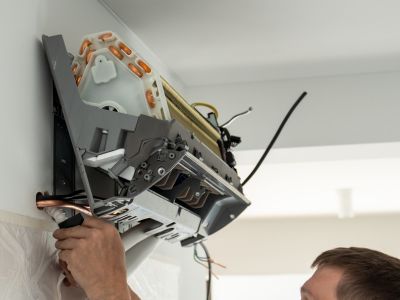 Another benefit of ductless mini-split systems is their easier installation compared to traditional central AC systems. Unlike conventional central air conditioning, which requires installing extensive ductwork throughout a home, mini-splits need only a small hole in the wall to connect the indoor and outdoor units. This simplified setup can dramatically reduce installation time, meaning air conditioning can be added quickly.
The absence of ductwork also makes ductless mini-split installation flexible in the types of spaces it can be installed in. They are a great option for retrofitting older homes that were built without central air conditioning infrastructure. Additionally, some homes simply don’t have the space to accommodate bulky air ducts, so ductless mini-splits can be installed to provide air conditioning. Mini splits can also be installed to add cooling to converted garages, home additions, or other spaces where extending existing ductwork would be difficult or impossible.
Zoning and Personalized Comfort
Ductless mini splits offer remarkable zoning capabilities, transforming how homeowners control their indoor environment. Unlike central air conditioning systems, which cool the entire house to the same temperature, mini-split systems create independent temperature zones throughout the home, each with its own indoor unit that can be controlled separately. This zoning allows for more customized comfort, enabling people to set different rooms and zones to different temperatures according to their personal preferences.
The multi-zone functionality of ductless mini split systems can help eliminate household temperature disputes. For example, instead of all the bedrooms being set to the same temperature at night, people can set their bedrooms to different temperatures, allowing homeowners who prefer a cool sleep to do so while adjusting accordingly for their kids who don’t like it as cool. Additionally, with individualized climate control, homeowners don’t have to waste energy cooling rarely-used spaces to the same temperature as other heavily used areas.
About Lincoln Heating & Air
Lincoln Heating & Air has more than 30 years of experience serving the Sparks community. They provide flat-rate pricing, a no-lemon guarantee, and a lifetime workmanship guarantee. Call them for ductless mini split system installation in Sparks, NV.



 When an air conditioner experiences a refrigerant leak, one of the most noticeable signs is
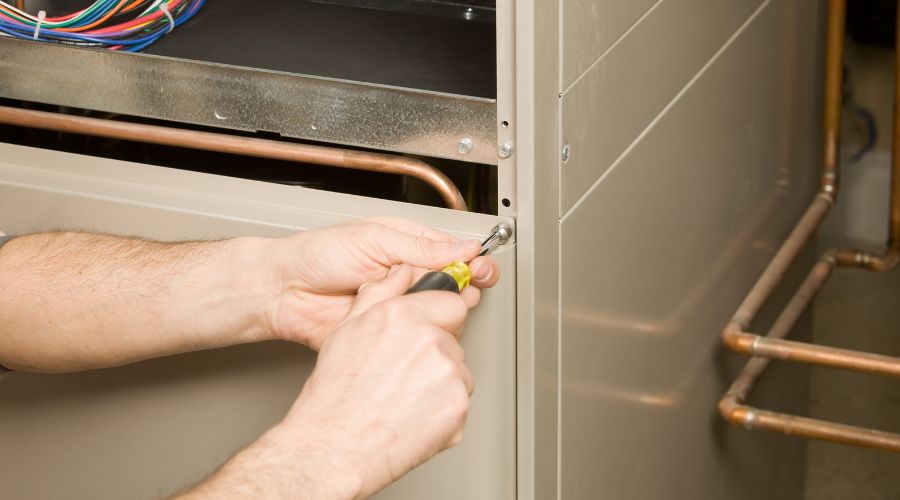
 Knowing when to replace the heating system can be easy. All homeowners need to do is identify key signs of a faulty heater, signifying it is time for a new one. Below are common manifestations that property owners should watch for:
 Once households have invested in a new heater, regular heating maintenance is crucial to keep it running efficiently and reliably. Here are the benefits of routine maintenance: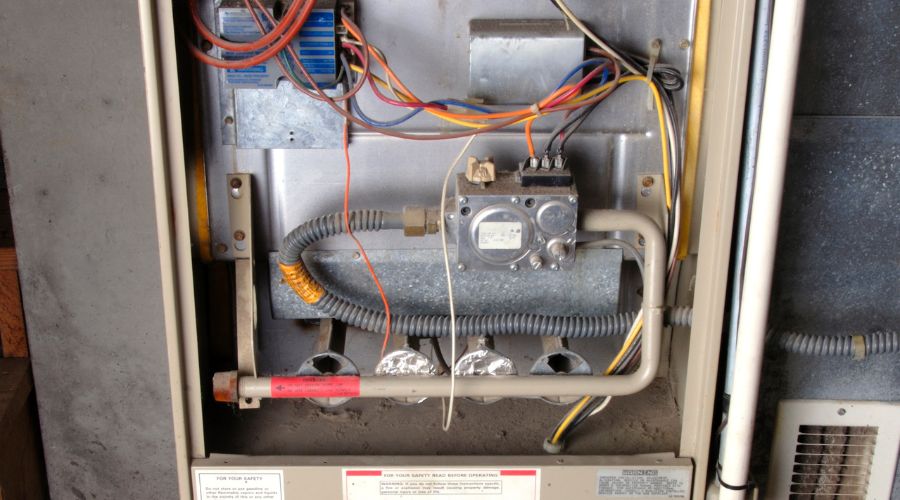

 Mold growth is another hidden risk associated with a faulty heating system. Moisture buildup, often caused by a clogged or leaking condensate drain, creates the perfect environment for mold to thrive. Once established, mold spores can spread through the home’s ductwork, polluting the air the family breathes.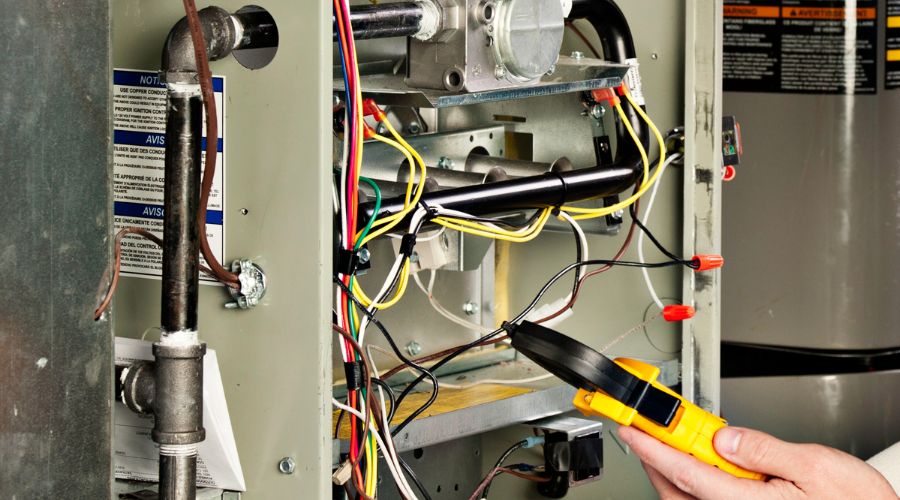
 A key sign homeowners should watch for is a sudden spike in their utility bills without changing their heating habits. If this happens, it can strongly indicate that the heater may be working inefficiently. When a heating system isn’t operating at its peak, it often consumes more energy as it struggles to maintain a consistent temperature.
  Another key symptom of a malfunctioning heater is a strange sound or smell coming from the system. While all units can make some noises while operating, heating contractors recommend that homeowners watch for: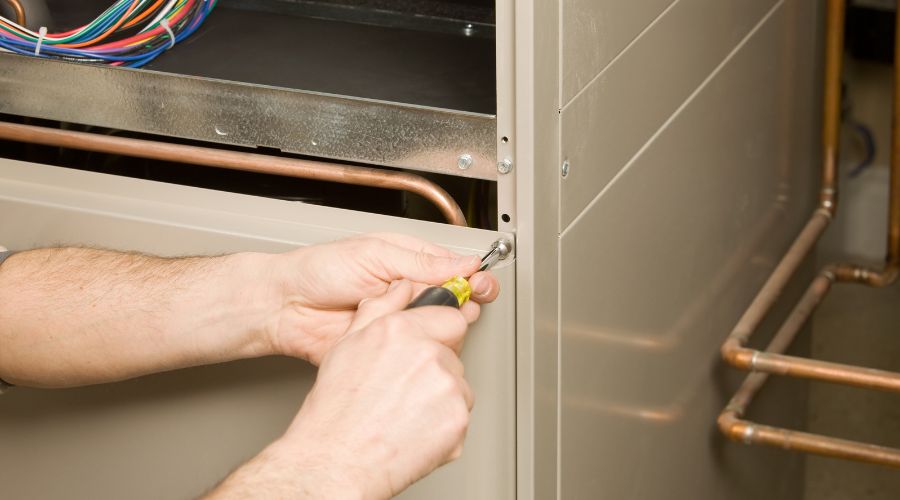
 Heating contractors typically recommend that heating maintenance be performed at least once a year. Doing these maintenance services will provide numerous advantages to households, including:
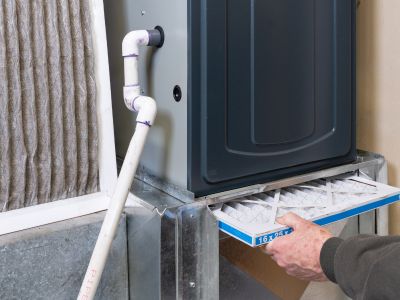 Technicians perform numerous tasks during annual maintenance services. They perform a full inspection to check the components and ensure the system works correctly.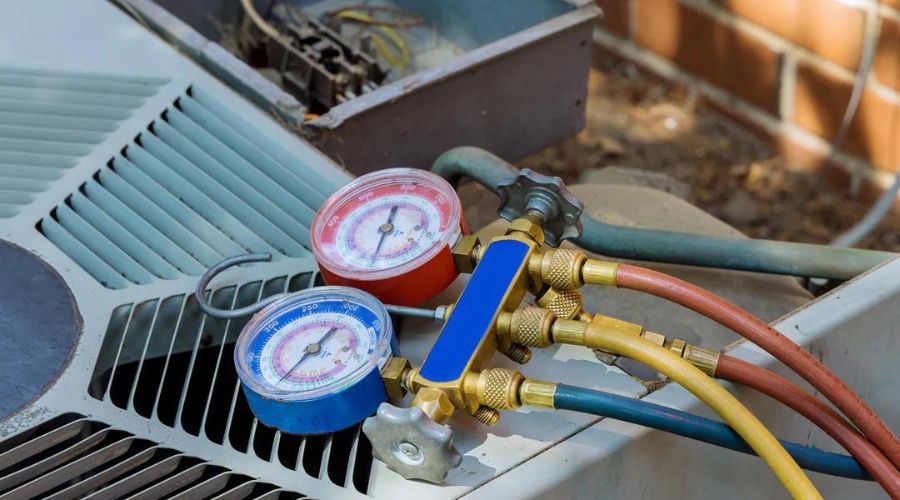
 The air conditioner’s
  An
An 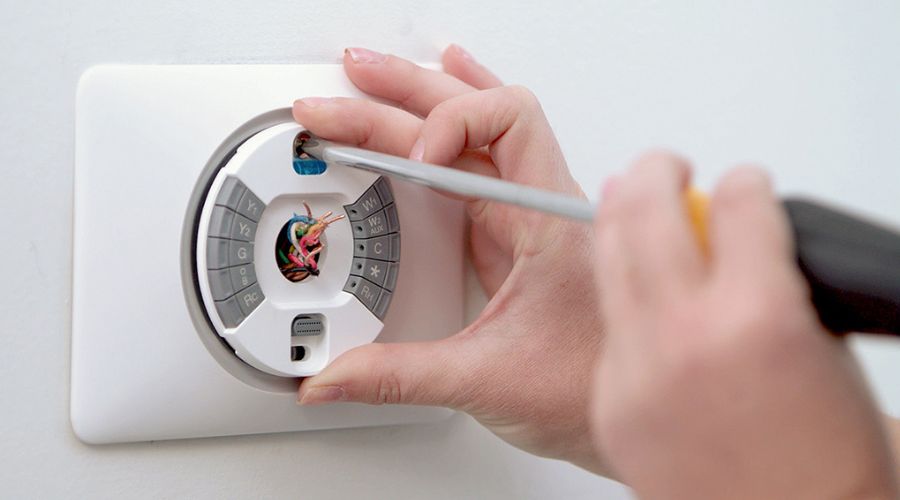
 Households can experience numerous benefits from a smart thermostat installation, including: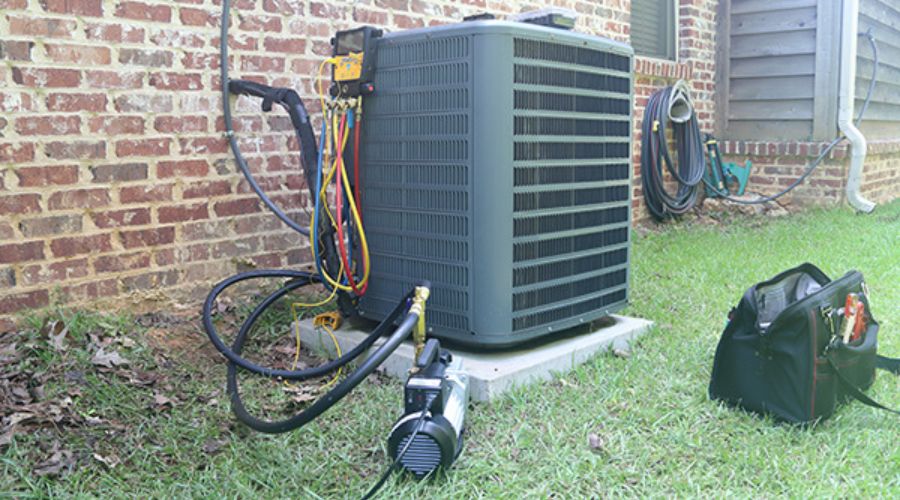
 Professional
  Homeowners shouldn’t wait for their air conditioner to break down completely to schedule air conditioning services like repair and replacement. Not only can annual AC maintenance help reduce the risk of needing repairs, but it can also help the air conditioner last longer,